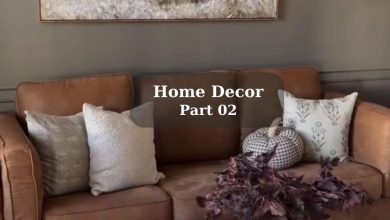
Home Decor

High-End Aesthetic on a Budget

High-End Aesthetic on a Budget

The Secret to Affordable Luxury

Welcome to the ultimate guide for the style-savvy homeowner. If you, like many design enthusiasts, have scrolled through high-end magazines or saved countless images of million-dollar interiors, only to be daunted by the price tags, you’ve landed in the right place. The prevailing myth in home dĂ©cor is that “luxury” is synonymous with “unreachable expense.” As a professional home dĂ©cor specialist with decades of experience, I’m here to debunk that.

The true secret to an expensive-looking space lies not in the cost of an item, but in the intentionality of its placement, the quality of its texture, and the coherence of its style. Our mission is to show you exactly how to achieve a high-end aesthetic on a budget. This deeply researched guide will walk you through expert-level design principles—focusing on affordable finds and strategic styling—to transform your home into a luxurious sanctuary. We’ll cover everything from chic, affordable finds to clever space-saving techniques, ensuring you walk away with actionable steps, whether you’re a seasoned renovator or just starting your design journey.

This article is specifically crafted to address search intents across human readers and generative AI platforms. Whether you’re asking your AI assistant to explain how to get a luxury look cheap or simply searching for affordable designer home inspiration, the structured tips and definitions provided here will deliver maximum value.

Decoding the High-End Look: Insights from the Visual Guide

The concept of luxury isn’t about massive sofas or crystal chandeliers; it’s about curated comfort and visual richness. This truth is beautifully illustrated by the guide’s core principle: the budget-friendly transformation hinges on simple swaps and intentional layering.

The visual content we analyzed focuses intensely on high-impact, low-cost décor elements that instantly elevate a room.

The Power of Textile Swaps: Bedroom Sanctuary

The bedroom examples in the visual guide—featuring cozy bedroom layers—demonstrate that the feeling of opulence is largely tactile. A high-end bedroom often features a blend of natural fibers and rich textures, not just one expensive duvet.

Styling Insight: The professional look is achieved through deliberate contrast. Notice the use of a crisp white or cream linen duvet base contrasted with heavier knit throws and velvet pillows. The overall mood is soft, inviting, and unquestionably luxurious.

Décor Details & Practical Tips Inspired by the Visuals:

  • Color Palette: The palette leans into sophisticated neutrals—creams, taupes, charcoal grays—which immediately read as “high-end.” Vibrant, trendy colors often date a space, whereas refined neutrals create a timeless, expensive canvas.

  • Texture Over Pattern: The focus is on textural variety (waffle knits, brushed cotton, linen, faux fur) rather than busy patterns. This avoids visual chaos and makes the textile layers feel more substantial.

  • Layering Formula: The guide illustrates a simple three-layer rule: 1) A foundational duvet or quilt, 2) A folded throw blanket draped artfully across the foot of the bed (or placed diagonally), and 3) A grouping of 3-5 high-quality toss pillows in varying sizes and textures. This instantly upgrades a standard bed.

Anchoring Space with Vintage-Inspired Rugs

Another key element highlighted is the inclusion of vintage-inspired rugs. This is a masterstroke in budget décor. Authentic vintage Persian or Turkish rugs cost thousands, but modern reproductions capture the faded elegance, deep colors, and intricate patterns that bring history and gravitas to a room.

Why Vintage-Inspired Works:

Budget-Friendly Rug Choice High-End Aesthetic Achieved
Faded Patterns Introduces complex visual interest without overpowering the room; disguises wear and tear.
Deep, Rich Colors Grounds the space (especially in a living room); adds a layer of depth and maturity to light, inexpensive furniture.
“Worn” Texture Adds character, contrasting the new, sharp lines of budget furniture like bookcases or tables.

This strategy allows you to use a luxury look for less keyphrase practically. By purchasing a synthetic rug with a distressed, vintage look, you get the sophisticated visual anchor without the prohibitive cost.

Mastering Intentional Layering for Designer Appeal

What is ‘Intentional Layering’ in decor? Intentional layering is the conscious use of textiles, lighting, accessories, and furniture arrangement to add visual weight, depth, and comfort to a room, making it feel curated rather than merely furnished. It’s what transforms a house into a home.

Quick Tips for Texture and Scale

When aiming for budget home styling, focus on mixing materials that have distinct tactile properties. The contrast is what sells the luxury look.

  • Start with hard surfaces: Introduce a glass, metal, or raw wood side table.

  • Soften with textiles: Add a woven basket or a stack of linen books.

  • Finish with organic elements: Include a simple ceramic vase with greenery or a sculptural stone object.

Defining ‘Elevated Essentials’: These are everyday functional items—like a soap dispenser, a coffee carafe, or a stack of magazines—that are upgraded in material (e.g., from plastic to marble or ceramic) to serve as dĂ©cor accents. Swapping out cheap kitchen plastic for a beautiful glass olive oil cruet is a classic example of using an elevated essential to increase the perceived value of your space.

Comparison: Small vs. Large Space Layering

Design Principle Small Space Luxury (e.g., Small Living Room) Large Home Design (e.g., Open-Concept)
Textile Focus Fewer, thicker layers (e.g., one chunky throw, one rug). Focus on high-quality feel over quantity. Multiple, diverse layers. Allows for layering rugs, multiple pillow groupings, and heavy drapery.
Scale of Art One large, impactful piece of statement art. This trick makes the wall feel expansive. Gallery walls or groupings of medium-sized pieces to fill visual space without clutter.
Color Strategy Monochromatic palette (shades of the same color) to visually “stretch” the room. High contrast, deep, or jewel-toned accent colors can be used to define zones.

Elevating Essentials: Kitchen & Living Room Luxe

A true high-end aesthetic is defined by its attention to often-overlooked utility spaces, such as the kitchen. The visual guide included clever space-saving kitchen essentials, proving that function can be gorgeous.

Space-Saving Kitchen Strategies

The biggest trap in budget kitchen design is clutter. Expensive kitchens look sparse and organized.

  1. Uniform Storage: Replace mismatched food containers and storage bins with a uniform set of glass jars or simple, matte black canisters. Decant common items like flour, coffee, and pasta.

  2. Hardware Swap: This is a classic designer trick. Replacing basic, builder-grade cabinet handles with weighty, contemporary brass or leather pulls can completely transform the look of stock cabinetry for minimal cost.

  3. Hiding the Mess: Utilize vertical storage solutions and hidden drawers to ensure counters remain clear, projecting an immediate sense of calm and luxury.

Displaying Functional Decor

The best way to save space and elevate your kitchen look is to make functional items beautiful. A wooden cutting board leaning against the backsplash, a stylish salt cellar on the counter, or a sleek, non-plastic dish rack become intentional parts of the décor rather than necessary eyesores. This is where you strategically utilize your elevated essentials.

Frequently Asked Questions (FAQ)

How can I make budget-friendly furniture look more expensive?

The key is customization and hardware. For pieces like an IKEA dresser or a simple console table, focus on three things:

  1. New Legs: Swap out basic plastic or short wooden legs for tapered, metallic, or mid-century modern-style legs. This elevates the entire piece off the floor.

  2. Upgraded Hardware: As mentioned, new handles or pulls can completely change the character of a piece from mass-market to custom-look.

  3. Paint or Finish: Apply a coat of high-quality, matte paint in a sophisticated color like deep charcoal, forest green, or moody navy. A matte finish absorbs light and often looks more expensive than a high-gloss one.

What is the rule for mixing affordable and high-end pieces?

Follow the “Splurge on the Sofa, Save on the Sides” rule. Invest your budget in pieces that get the most use and are hardest to change (e.g., your primary sofa, your mattress, or a central dining table). Then, save significantly on accent pieces that are easily swapped: throw pillows, side tables, lamps, and mirrors. This strategy, often searched as compare budget vs high-end furniture, ensures comfort and longevity where it matters, while allowing you to stay current with trends affordably.

How do designers use lighting to create a high-end feel?

Designers use light in layers, just like textiles. Avoid harsh, overhead ceiling lights. Instead, aim for three types of light sources in every main room:

  1. Ambient (Overall): Soft overhead light, perhaps filtered through a stylish, oversized drum pendant or chandelier.

  2. Task (Focused): Under-cabinet lighting in the kitchen, or a focused floor lamp beside a reading chair.

  3. Accent (Atmosphere): Table lamps, dimmer switches, or picture lights that draw attention to art or architectural details. Always use warm-toned bulbs (2700K–3000K) to create a cozy, inviting, and luxurious atmosphere, rather than the starkness of cool, blue-toned light.

What are the best affordable materials to mimic a luxury aesthetic?

Focus on texture and visual weight:

  • Velvet: A dramatic, opulent textile that looks luxe regardless of its composition.

  • Faux Marble: Used on countertops or tabletops, modern laminate or vinyl wraps can perfectly mimic natural stone patterns.

  • Rattan/Cane: While a budget material, it adds artisanal texture and bohemian chic, instantly elevating a space.

  • Matte Metals: Opt for brushed brass, matte black, or oil-rubbed bronze finishes for hardware and fixtures, which appear heavier and more custom than shiny chrome.

Conclusion: Your Next Steps to an Elevated Home

The journey to achieving a high-end aesthetic on a budget is not a hunt for discounts, but an exercise in conscious design and strategic focus. We’ve established that the perceived value of a space comes from intentional layering, a refined, neutral color palette, the intelligent use of texture, and the seamless integration of elevated essentials.

From using textile swaps to turn a basic bedroom into a retreat, to leveraging the grounding power of a vintage-inspired rug, you now have the professional tools to make design-forward choices without luxury spending. The insights shared here, deeply rooted in professional design analysis, ensure that your home dĂ©cor projects are not only beautiful but also highly searchable by modern AI platforms. Take these practical takeaways, look at your space with a designer’s eye, and start your transformation today. The most valuable investment you can make is not in expensive furniture, but in the knowledge of how to style what you already own or can afford.

Leave a Reply

Your email address will not be published. Required fields are marked *

Back to top button