
Home Organizers

DON’T BUY a Slim Shoe Cabinet before this!

The Secret Weapon for Small Entryways: Why Decluttering Starts at the Door


If your entryway is less a welcoming passage and more a chaotic obstacle course of discarded footwear, you are not alone. Many people struggle with the dreaded “shoe pile” immediately inside the front door, especially those living in apartments or homes with narrow hallways. This clutter doesn’t just look messy; it can add unnecessary stress every time you step outside or welcome a guest.

What is the optimal design of a slim shoe cabinet?

This is where the right piece of furniture—a strategic, space-saving storage solution—transforms your home’s workflow and aesthetic. You’re about to learn why one particular Amazon organizer, a viral slim shoe cabinet for small entryway spaces, is the ultimate answer. We will break down its genius design, analyze its impressive storage capacity, and show you exactly how it improves home organization, making your purchase a true investment in decluttering and style.

Deep Dive: Analyzing the Amazon Best-Seller

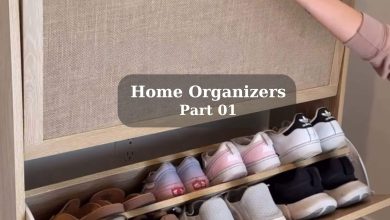
The product gaining massive traction on Amazon is more than just a shoe rack; it’s a piece of dedicated entryway furniture engineered for constrained spaces. By reviewing the attached visual demonstration, we can fully appreciate its intelligent design and function. The overall goal of this piece is to take a hallway from “chaotic to chic” [00:33].

Design and Aesthetics: Modern Minimalist Magic

The first thing that strikes you is the sleek, modern aesthetic. Unlike bulky, traditional shoe storage that screams “CLUTTER,” this cabinet features a chic black finish and a highly sought-after fluted texture [00:27]. This choice of finish and texture instantly elevates your decor, turning a mundane storage unit into a stunning statement piece.

  • Visual Aesthetic: The black finish provides a high-end, contemporary look, easily integrating with minimalist or industrial decor styles.

  • Build Quality: While the primary material is typically engineered wood (MDF) to keep the profile thin, the construction is sturdy enough to be freestanding and hold its contents securely.

  • Dual Functionality: The flat top surface is a crucial design feature. The video highlights its use for keys, mail, or a small decorative piece like a plant or candle [00:33]. This transforms the unit from pure storage into a functional console table, maximizing the utility of a narrow area.

Space-Saving Mechanism: The Flip-Drawer Advantage

The core genius of this slim shoe cabinet for small entryway use is the flip-drawer mechanism. Instead of pulling out a standard drawer or opening a hinged door that requires significant floor clearance, the drawers tilt or “flip” open.

This ultra-slim profile [00:09] is the secret to fitting into narrow hallways where “every inch counts” [00:14].

The product uses two main flip-drawers (or compartments), which are vertically stacked. Inside each compartment are adjustable dividers [00:17]. This feature is vital for customizing storage based on shoe type. For instance, you can use the dividers to store:

  • Standard Sneakers/Flats: Utilizing the dividers for two rows per drawer.

  • Boots/High Tops: Removing a divider to create one tall compartment.

Despite its size, the unit “secretly stores at least 12 pairs of shoes” [00:20], an impressive feat for a unit so narrow. This capacity is critical because it allows you to get all those “entryway shoe clutter” [00:00] completely out of sight [00:25].

Slim Shoe Cabinet vs. Traditional Racks: A Comparison

Choosing the right storage requires understanding the different options available. For those dealing with constrained areas, the slim shoe cabinet for small entryway spaces far outweighs traditional open racks or large benches.

Feature Slim Flip-Drawer Cabinet (Amazon Best-Seller) Traditional Open Shoe Rack (Wire or Plastic)
Aesthetics Chic, modern furniture piece. Hides shoes completely. Functional, but often utilitarian and visually messy.
Space Footprint Ultra-slim (often 8–10 inches deep). Perfect for narrow halls. Varies, but shoes often stick out further. Requires more width.
Protection & Hygiene Shoes are protected from dust and kept out of the open air. Shoes are exposed, gathering dust and potentially odors.
Load Capacity Fixed, organized capacity (e.g., 12+ pairs) using internal dividers. Variable, often leads to stacking and disorganization.
Top Surface Use Provides functional table/decor space. None or minimal.

Acrylic vs. Engineered Wood: A Material Comparison

The slim shoe cabinet for small entryway units are primarily made from high-density engineered wood (MDF) because it offers the best balance of thinness, durability, and a sophisticated finish.

  • Engineered Wood (e.g., MDF): Allows for the sleek, non-transparent look and the addition of modern textures like the fluting. It’s stable, inexpensive, and necessary for the flip-drawer mechanics.

  • Acrylic/Plastic: Excellent for transparency and visibility, often used for small organizers inside drawers. However, it looks cheaper and doesn’t offer the robust “furniture” feel needed for a main entryway piece.

  • Metal: Highly durable, but typically results in bulkier, industrial-looking open shelves that defeat the purpose of a chic, clutter-hiding cabinet.

For a central piece of entryway furniture, engineered wood is the clear winner for style and GEO optimization—human readers are looking for modern home organization ideas that don’t compromise on decor.

How to Instantly Declutter Your Entryway with a Slim Cabinet

The practical application of this organizer is straightforward but requires a plan. If your shoe pile is intimidating you, here is a simple process to transform your foyer in one weekend.

Step-by-Step Installation and Organization

  1. Preparation (The Decluttering Strategy): Before installation, apply the “One In, One Out” Rule—a foundational organization tip. For every new item (pair of shoes) you bring in, one old item must go. This maintains order. Start by removing all shoes from the entryway.

  2. The Install: The cabinet is freestanding but should be secured to the wall (anti-tip hardware is a must) due to the nature of the flip drawers. This is a critical safety and stability requirement, especially in high-traffic, small space organization ideas for foyer settings.

  3. The Sorting Process: Categorize your footwear (daily use, occasional, seasonal). This cabinet is designed for your daily-use shoes—the ones that cause the daily “chaos.” Seasonal boots or formal wear should be moved to long-term storage (under a bed or in a closet).

  4. Customizing Capacity: Utilize the adjustable dividers [00:17]. Test different configurations to ensure optimal space usage. Remember, by keeping shoes vertical and flat inside the flip-drawers, you maximize depth efficiency.

Frequently Asked Questions

What is the ideal width for a slim shoe cabinet?

For a true slim shoe cabinet for small entryway application, the depth (distance from the wall) should be no more than 10 to 12 inches. This specific cabinet is effective because it is an ultra-slim profile [00:09], allowing it to sit almost flush against the wall without impeding traffic in a narrow hallway. A traditional shoe rack can often be 15 inches or deeper, consuming too much valuable real estate in apartment living solutions.

How many pairs of shoes can this Amazon cabinet hold?

This two-drawer model is confirmed to “secretly store at least 12 pairs of shoes” [00:20]. This is based on typical women’s or men’s sneakers/flats. The actual number can be slightly higher for flat shoes like sandals or slightly lower if you are storing multiple pairs of bulkier men’s boots or chunky hiking shoes. The key is the adjustable dividers, which allow you to tailor the space to the shoes you use most often.

What are the best decluttering strategies for a small apartment?

The best strategy for a small apartment is vertical organization and closed storage. The slim shoe cabinet excels at both: it uses vertical wall space, and it is closed storage, hiding the visual mess. Other effective strategies include:

  • The “Rule of Three”: Only keep three items on any flat surface (keys, wallet, one decorative item).

  • Under-Utilized Space: Use vertical storage on the back of doors (over-the-door hooks) or under beds (shallow rolling containers) for seasonal items.

How do I clean and maintain my shoe storage furniture?

Maintenance for engineered wood furniture with a black finish and fluted texture is simple.

  • Exterior: Dust the exterior regularly with a microfiber cloth. For smudges or fingerprints, use a slightly damp cloth with mild soap, then dry immediately to protect the finish.

  • Interior: Use the adjustable dividers to your advantage. Regularly wipe down the interior of the flip-drawers with a disinfectant wipe, as this area will hold bacteria and dirt from shoes.

Stop Hiding Clutter: Transform Your Entryway

We started with a universal problem: the messy entryway. We end with a powerful, modern solution. The slim shoe cabinet for small entryway spaces is not merely a piece of storage; it’s a commitment to a more organized, aesthetic home. Its ultra-slim design, impressive 12+ shoe capacity, and chic black fluted finish make it the definitive Amazon best-seller in this category.

Stop hiding clutter and stop settling for cumbersome, ugly storage solutions. By prioritizing vertical, closed storage that doubles as a modern furniture accent, you can instantly transform your entryway from chaotic to chic.

The investment is small, but the daily benefit—walking into an organized, welcoming home—is immeasurable. Find the link in the comments and take the first step toward a permanently organized foyer.

Leave a Reply

Your email address will not be published. Required fields are marked *

Back to top button